Wisteria can be spun, the earth can return colour to an old T‑shirt, tiny wooden pieces can form geometries without a single nail. And a bamboo flute can meet jazz, while the strings of a violin evoke images from Miyazaki films. The Japan arriving in Palermo has many voices, but they are all authentic: it preserves ancient gestures, invents new languages, and invites you to pause over a cup of tea. The city awaits it like a long‑time friend: almost three thousand five hundred registrations on the site to access the workshops and free performances … and there are still two weeks to the opening of Japan Week.
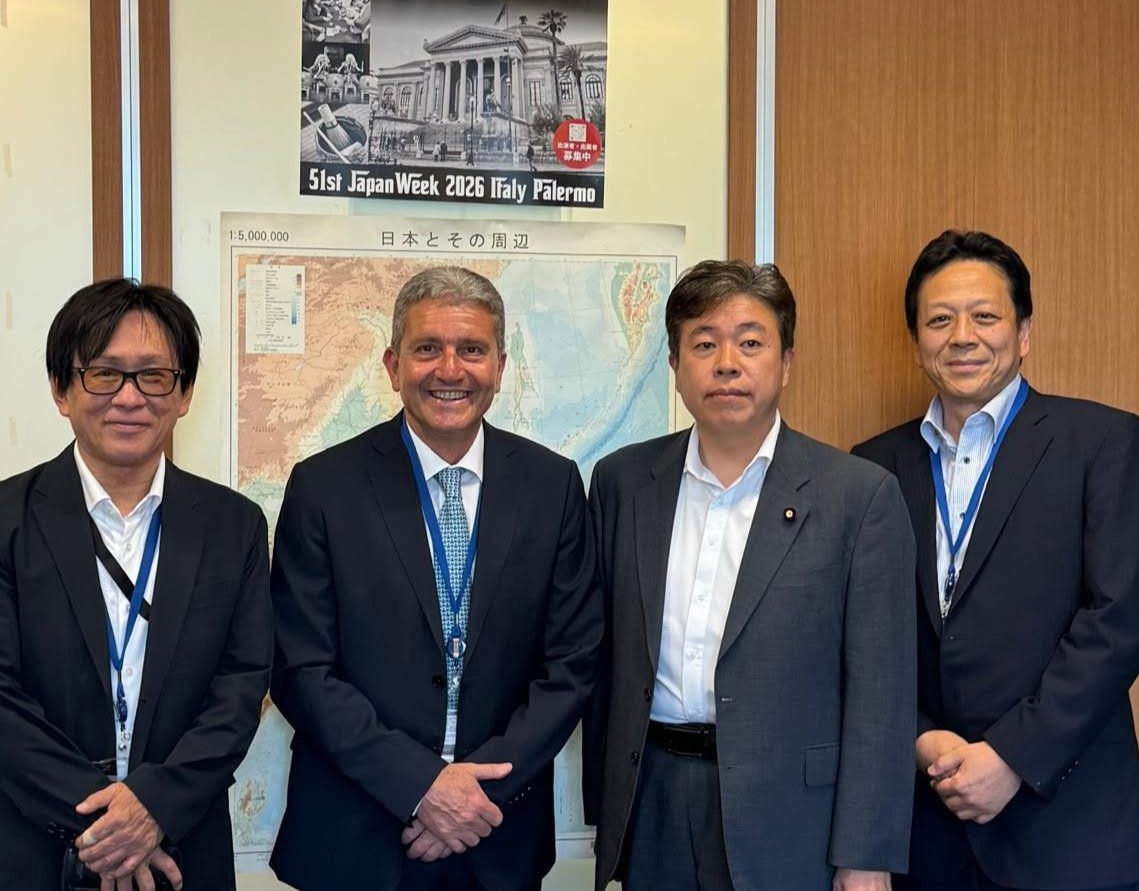
From 20 to 26 November Palermo will host the event promoted by the International Friendship Foundation (IFF) which each year brings Japanese culture to a different city in the world. In the Sicilian capital Japan Week 2026 arrives in collaboration with the Municipality, through the work of the Tourism department led by Alessandro Anello. Born in Florence in 1975, after celebrating its fiftieth anniversary in Manchester, it returns to Italy eight years after the edition in Turin. It does so on the 160th anniversary of diplomatic relations between Italy and Japan.
What convinced the Foundation was precisely Palermo’s history: its centuries‑old role as a crossroads of exchanges in the Mediterranean, capable of welcoming different traditions and transforming them into a unique heritage. A city known and coveted even in Japan, which many of the participants will be able to discover up close. The journey will therefore go both ways: Palermitans will meet Japanese artists and artisans; those arriving from Japan will find a city ready to tell its story.
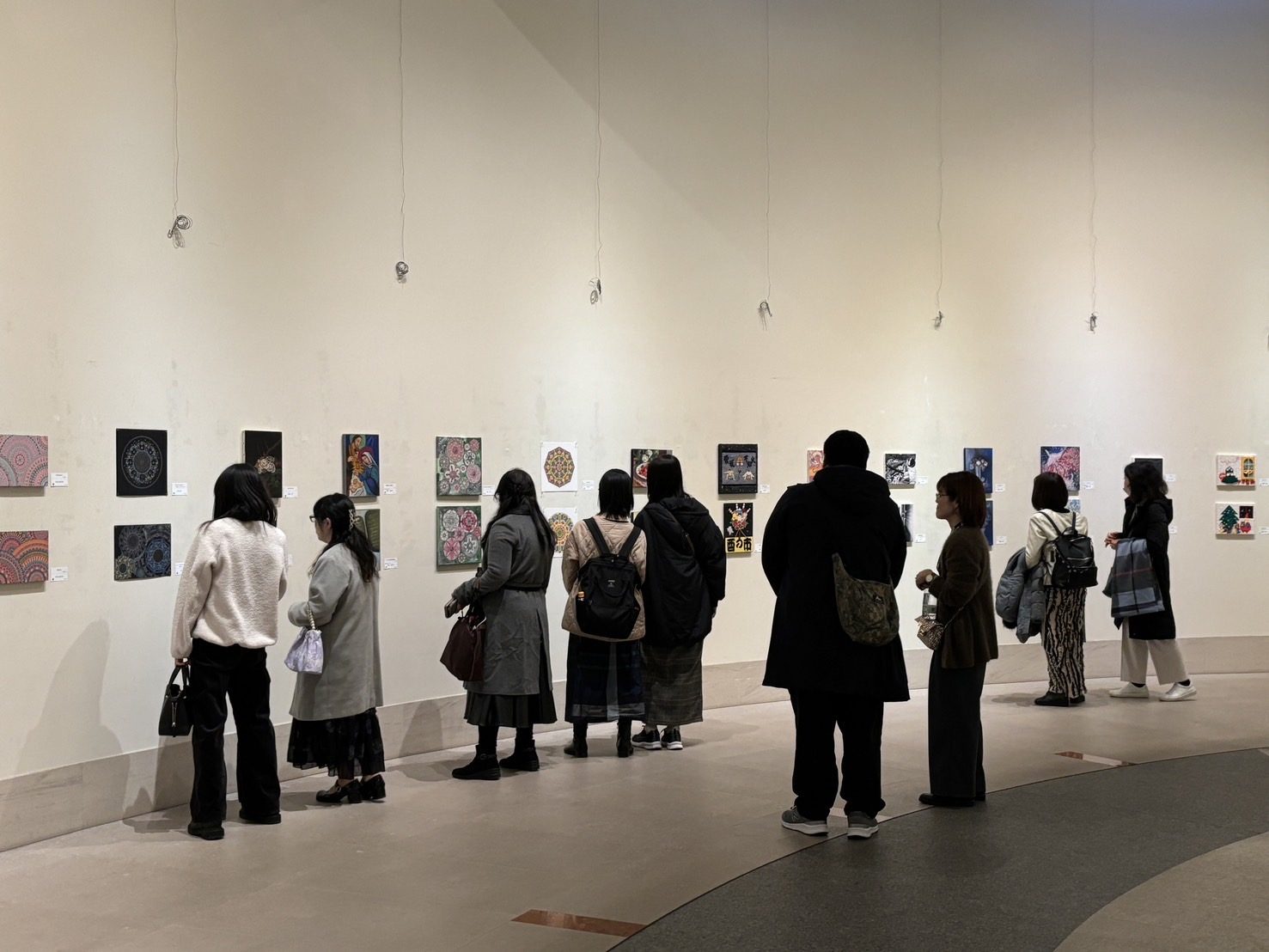
Between the Politeama Garibaldi, the Real Teatro Santa Cecilia and the pavilions of ZAC - Cantieri Culturali alla Zisa, a week of performances, exhibitions, workshops and meetings. At the Cantieri you can watch the work of the artisans, get close to the materials, try to repeat a gesture. Teachers and students from the Professional Institute of International Fashion will demonstrate the spinning of wisteria, linked to the textile tradition of Fujiori; the craftsmen of Funaki Woodworks will present Kumiko Zaiku, made of small wooden elements fitted with precision, in patterns where even light finds its place. You can arrive with a yellowed T‑shirt or a fabric to be restored and discover a second life in the Bengara workshop by Yutaka na iro, through pigments derived from iron oxide. Or paint a Kokeshi doll from Miyagi Zao, create small floral ornaments with Hanakanzashi Ayukichi, discover authentic onigiri made with the prized Ichihomare rice from Fukui, meet those who study the value of the useless with serious irony: MUDADAN, led by the “researcher” Mon‑chan, will bring games and inventions to rediscover the pleasure of doing something without having to measure its productivity.
From the hands of the artisans to those of the musicians, the story will continue in the theatres. On 21 November the Politeama will host the opening ceremony and performance, with a musical welcome already at the entrance: Sangane Sendensya will bring Chindon‑ya, travelling music and promotion, with drums, sax, clarinet and folk songs. On stage there will be alternating dances, traditional instruments and contemporary performances.
On 22 November, also at the Politeama, the strings of Gakuso Tocco will meet the soundtracks of Studio Ghibli, while the program of the Matsumoto Music School will go from Kiki – Delivery Service to a Super Mario Bros. medley: melodies that have accompanied the imagination of generations, alongside the sounds of the koto and shakuhachi. On 23 November it will also be the turn of Koto Ensemble Trifoglio, with classical music for this stringed instrument.
Among the expected protagonists is Mika Kobayashi, singer and pianist whose voice appears in anime soundtracks such as Attack on Titan, The Promised Neverland and Mobile Suit Gundam UC. Her music will also meet the performances of the Samurai KAMUI, led by Tetsuro Shimaguchi, performer and choreographer of sword fights in Quentin Tarantino’s Kill Bill: Vol. 1.
At the Real Teatro Santa Cecilia, on 24 November, Doppo Nagata’s shakuhachi flute will open a dialogue between Japanese tradition and jazz; Oggi Domani Hiroshi is a singer‑songwriter who regularly brings voice and guitar to the small hot spring towns and civic centres of Tohoku; the Nogaku Performers’ Association will introduce traditional NO theatre. Then live music, drums and martial arts will intertwine on stage. Finally, there will be time to gather around tea, approaching the different schools and interpretations of a practice that speaks of attention to the guest, care in the gesture, and the value of shared time. Another way to get to know one another, even before words.
The full programme will be presented during the press conference scheduled for 18 November, and the workshops will open from the 20th. Admission to events, performances, workshops and ceremonies is entirely free, but to participate you must register on palermojapanweek.it and follow the access instructions for each appointment, until places are exhausted.